Learning Outcomes:
i. Define vaccination and explain the basic principles behind its effectiveness.
ii. Describe the different types of vaccines and their specific targets.
iii. Discuss the importance of vaccination in preventing the spread of infectious diseases and promoting public health.
Introduction:
Imagine a world where infectious diseases, once devastating forces, have been largely contained. This is not a utopia, but a reality brought forth by one of the most powerful tools in medicine: vaccination. Today, we embark on a journey to unravel the secrets of this remarkable invention, understanding how it shields us from illness and plays a crucial role in protecting our communities.
i. Training the Immune System: Unpacking the Science of Vaccination:
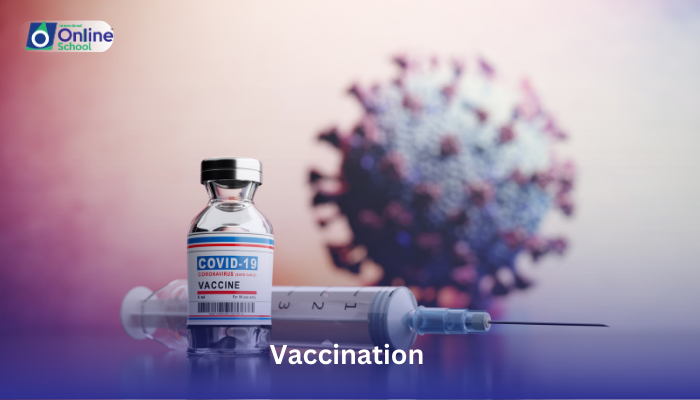
Vaccination works by introducing a weakened or inactive form of a pathogen (virus or bacteria) into the body. This triggers the immune system to develop antibodies, specialized proteins that can recognize and fight off the real disease-causing agent if encountered later. This "training" ensures that the body is prepared to mount a rapid and effective defense against the actual infection, preventing illness and protecting both the individual and the community.
ii. A Diverse Arsenal: Different Types of Vaccines:
Vaccines come in various forms, each tailored to target specific pathogens and immune responses:
Live attenuated vaccines: These contain weakened but live viruses or bacteria, triggering a strong immune response similar to a natural infection. Examples include measles, mumps, and rubella (MMR) vaccine.
Inactivated vaccines: These contain dead viruses or bacteria, stimulating a good immune response without the risk of causing illness. Examples include polio and influenza vaccines.
Toxoid vaccines: These contain inactivated toxins produced by bacteria, prompting the immune system to develop antibodies against them. Examples include tetanus and diphtheria vaccines.
Subunit vaccines: These contain only specific parts of the pathogen, like its proteins, focusing the immune response on key elements for protection. Examples include hepatitis B and HPV vaccines.
iii. A Shield for All: The Importance of Vaccination:
Preventing infectious diseases: Vaccination is the most effective way to prevent the spread of many infectious diseases, saving millions of lives each year.
Protecting vulnerable populations: Vaccination is crucial for protecting infants, children, and individuals with weakened immune systems who are particularly vulnerable to infections.
Herd immunity: When a large enough percentage of the population is vaccinated, it creates herd immunity, indirectly protecting those who cannot be vaccinated due to medical conditions.
Promoting public health: Vaccination contributes to a healthier society by reducing healthcare costs, absenteeism from work and school, and the overall burden of infectious diseases.
Vaccination is not just a personal choice; it is a collective responsibility. By understanding its science, appreciating its diverse forms, and recognizing its importance for public health, we can work together to build a world where infectious diseases no longer hold the power to devastate communities. Let us embrace the shield of vaccination and ensure a future where every child, every family, and every community can live a healthier and more protected life.
